
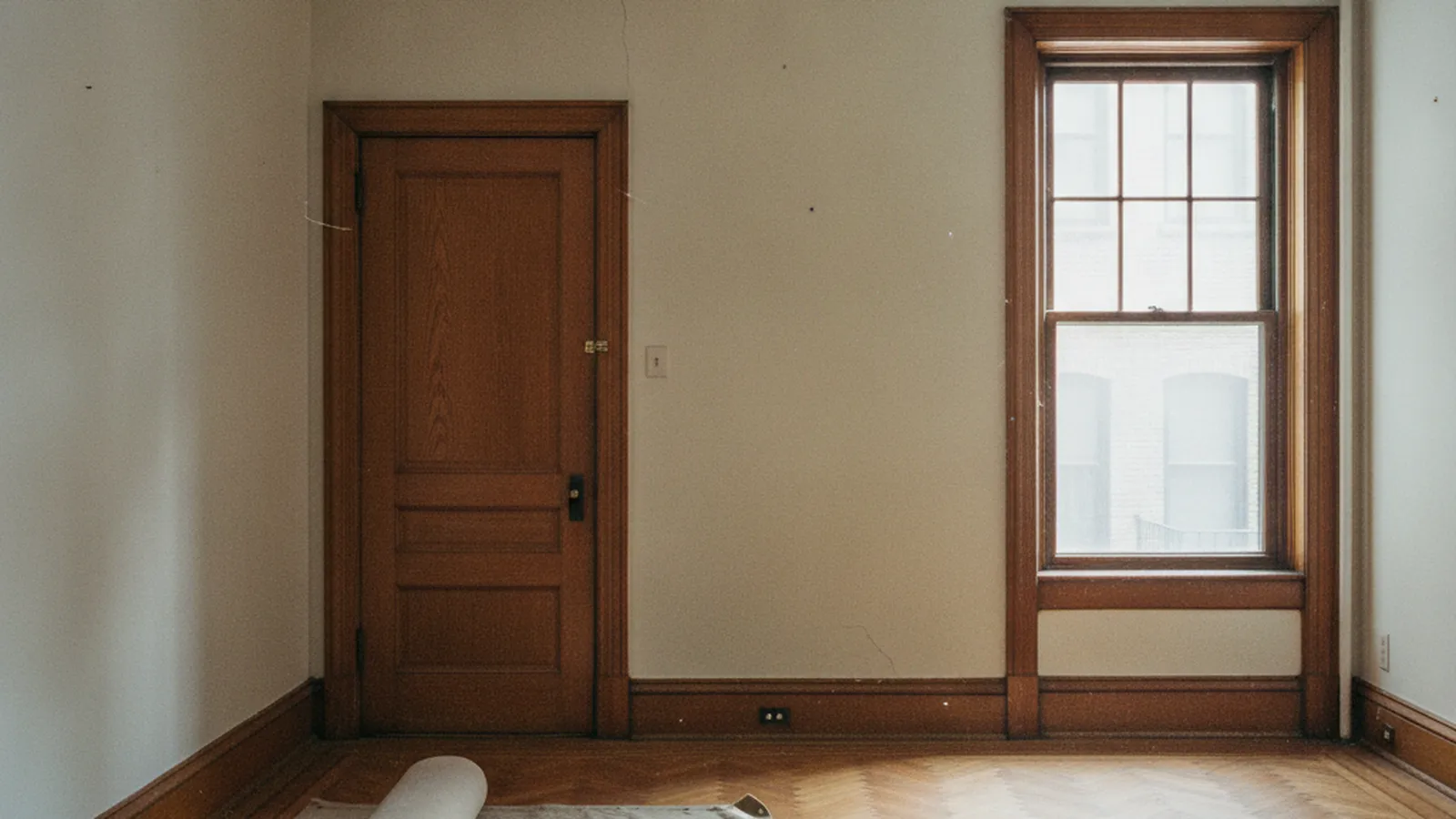
Inwood, Manhattan
General contractor in Inwood, Manhattan
Kitchens, bathrooms, full apartment renovations and painting, in the prewar buildings of Inwood.
We are a general contractor based on Payson Avenue in Inwood, at the northern end of Manhattan, and we work on prewar apartments.
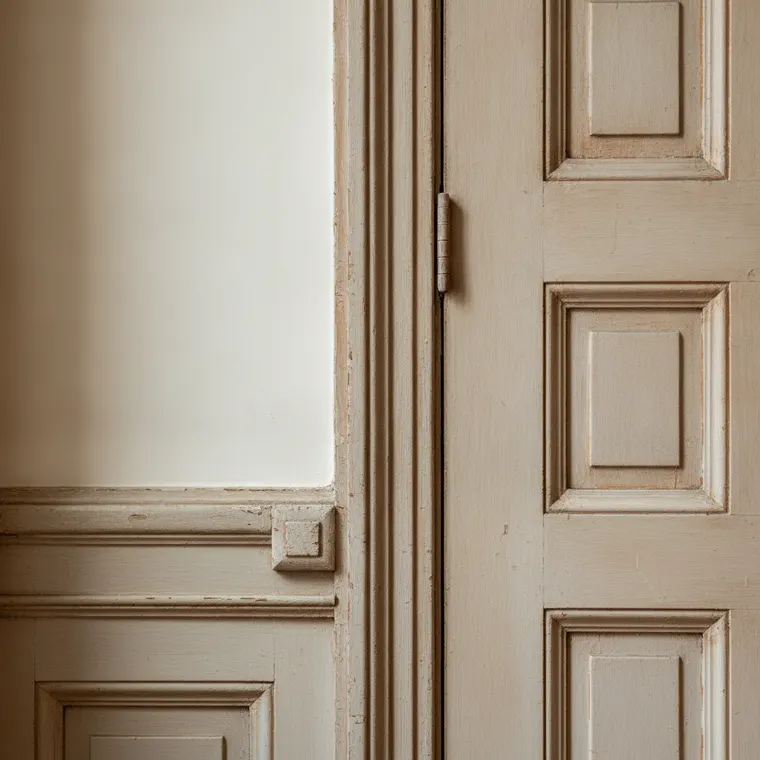
Almost every job is inside a building that was put up between the subway arriving and the Second World War. Brick, plaster over masonry, wood trim, a courtyard, and a board or a managing agent who decides what happens inside. That changes how the work is planned long before anyone picks a tile.
Call (929) 695-6242 and tell us what you are thinking about. We will tell you what it involves.
What we take on
Every one of these happens inside a building with its own rules, and the building shapes the job.
-
 01
Apartment renovation
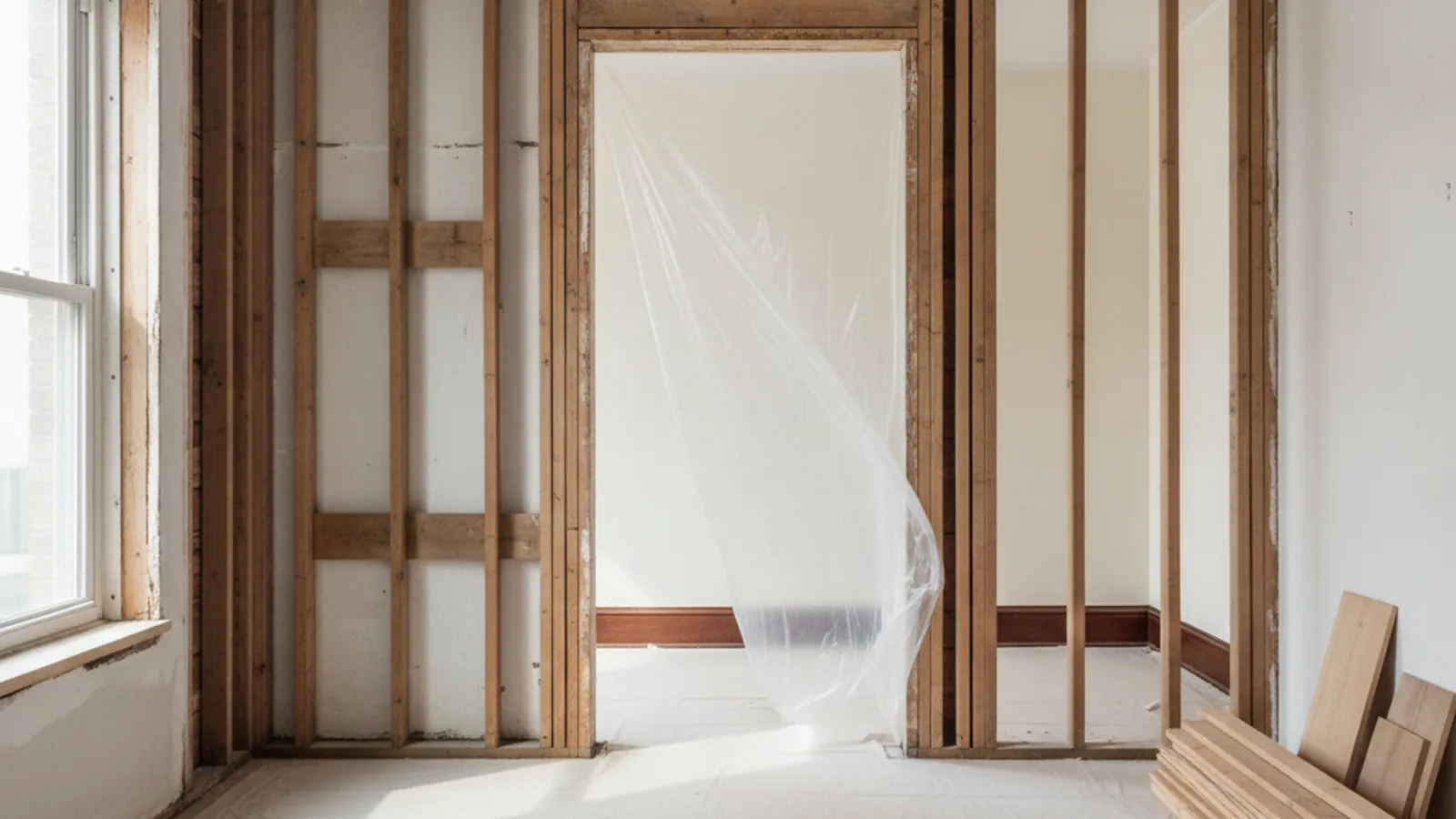
From one room brought up to date to a full gut back to the studs, including demolition, floors and carpentry.
See what it involves
01
Apartment renovation
From one room brought up to date to a full gut back to the studs, including demolition, floors and carpentry.
See what it involves
-
 02
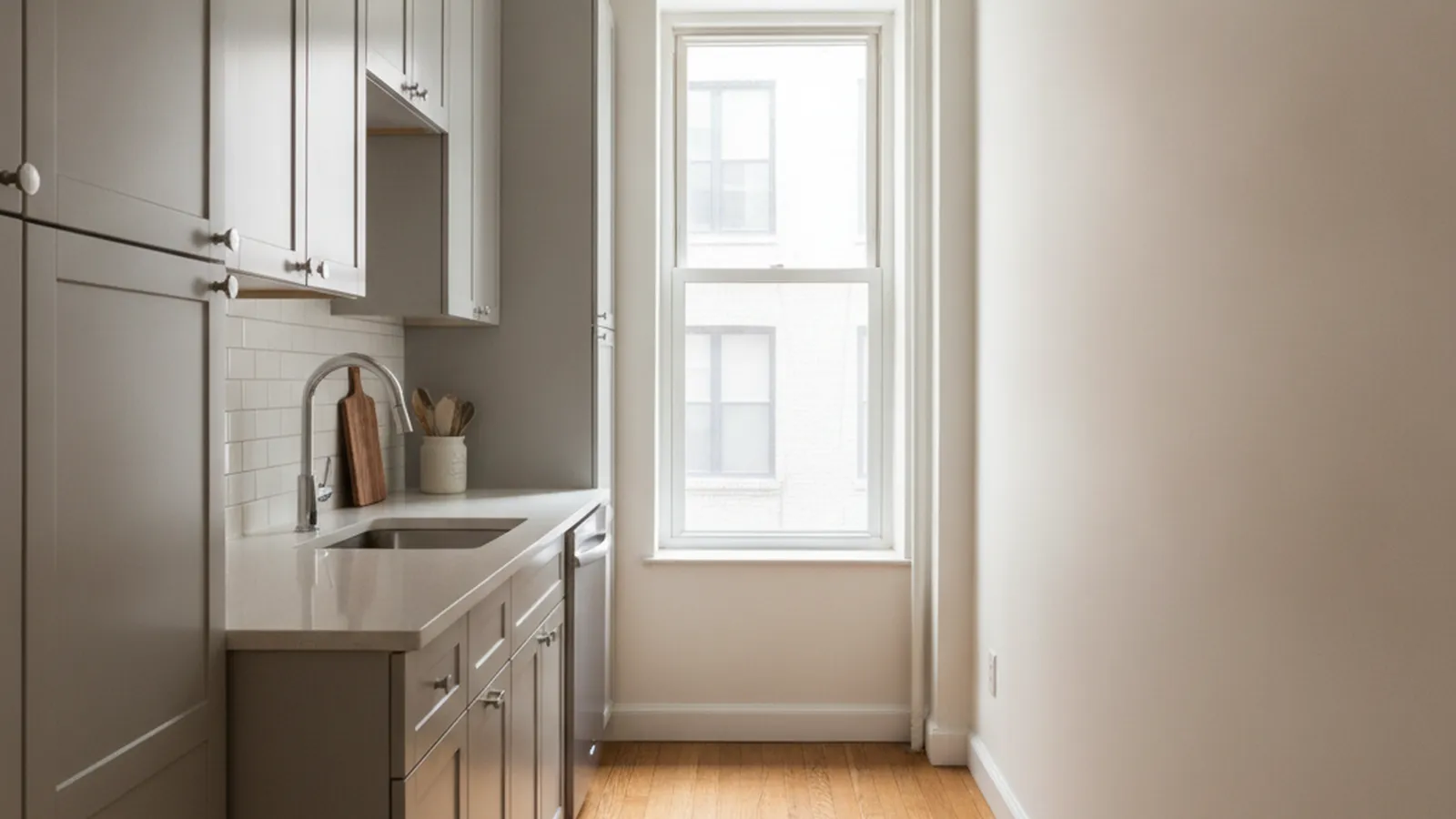
Kitchen remodeling
Working with the layout a prewar apartment actually gives you, rather than the one you wish it had.
See what it involves
02
Kitchen remodeling
Working with the layout a prewar apartment actually gives you, rather than the one you wish it had.
See what it involves
-
 03
Bathroom remodeling
Planned around the days the room is out of use, which in a one-bathroom apartment is the whole question.
See what it involves
03
Bathroom remodeling
Planned around the days the room is out of use, which in a one-bathroom apartment is the whole question.
See what it involves
-
 04
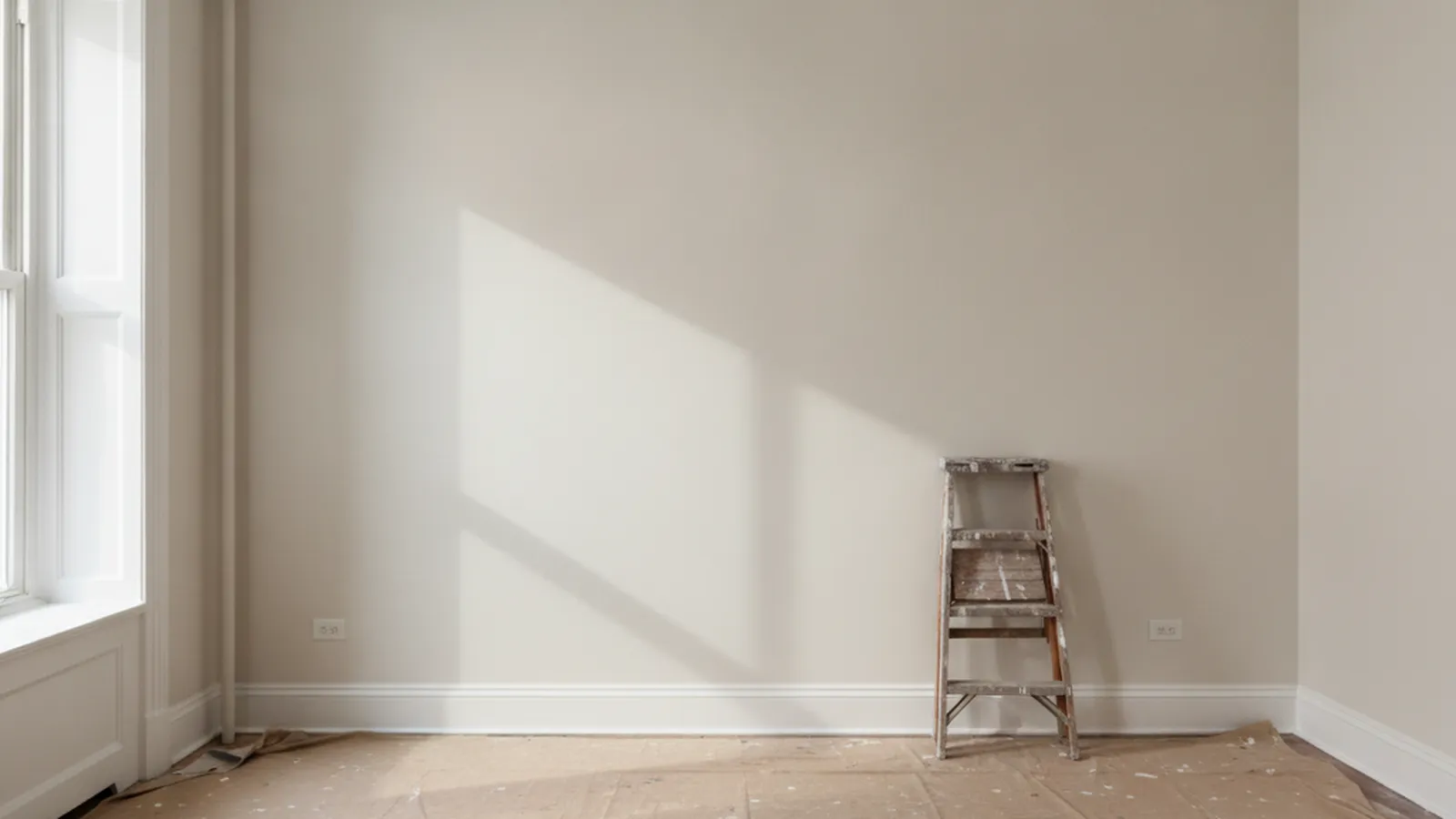
Interior painting
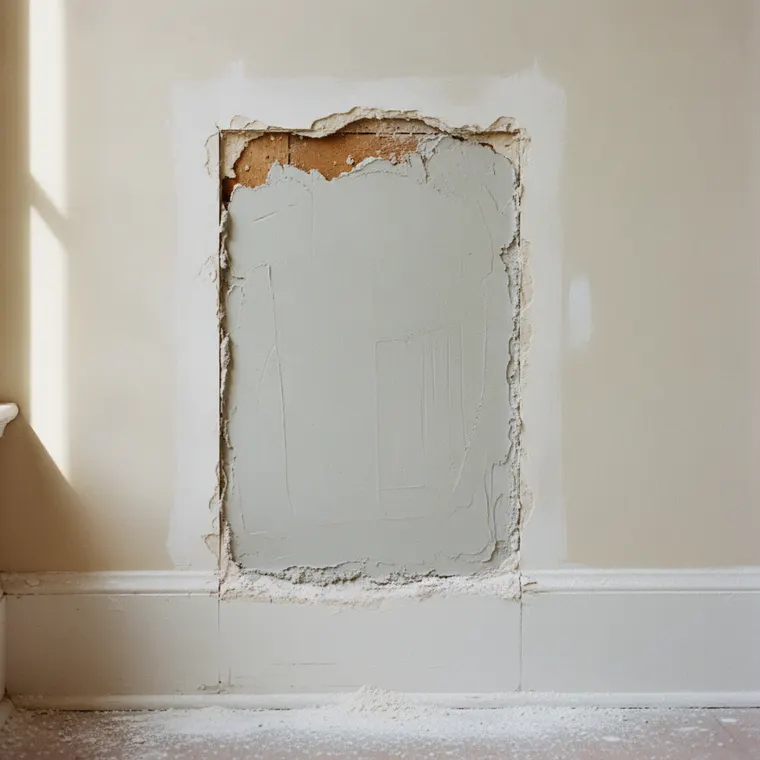
Paint and plaster repair, which in these buildings is most of the job.
See what it involves
04
Interior painting
Paint and plaster repair, which in these buildings is most of the job.
See what it involves
We also take on interior work for small commercial spaces.
Not sure whether your building makes this complicated? A short call usually settles it.
Call for an estimateWorking in prewar buildings
Inwood was built out in apartment houses, and almost everything here is prewar. A few things follow from that on nearly every job.
The building has a say. In a co-op, work starts with the building's own alteration agreement between the shareholder and the corporation. Every building writes its own, so the first thing we look at is yours.
The hours are fixed. New York City allows construction between 7am and 6pm on weekdays. Any other time, weekends included, needs authorization from the city, and your building will usually have tighter rules again. We plan the sequence around the hours we actually have rather than promising a schedule the building will not allow.
The stairs matter. Plenty of buildings here are walk-ups. Where there is no elevator, every cabinet goes up on someone's back and every bag of debris comes down the same way. Where there is an elevator, it is one shared car with booked windows. Either way it decides how deliveries are staged and how big the crew should be.
The neighbors are on the other side of the wall. Dust and noise are not just your problem, and a complaint can stop a job. We seal the work area, protect the route in and out, and clean the common parts at the end of the day.
How a job starts
A call
Tell us the apartment, the building, and what you want done. Ten minutes on the phone usually tells us both whether this is a job for us.
A visit
We come and look. We measure, we check what is behind the walls where we can, we look at the access, and we ask what your building requires.
A written scope and price
You get the work broken down, so you can see what each part costs and change it before anything is ordered.
Approvals
If the building needs a board package or the city needs a permit, that happens before the first day of work, not during it.
The work
A start date, a sequence, and one person you call when you have a question.
Not sure whether your building makes this complicated? A short call usually settles it.
Call for an estimateQuestions people ask before they call
How much do most general contractors charge?
It depends on the apartment, and the figure only becomes real once someone has seen it. What moves it most is how much comes out before anything goes in, whether walls or services move, the finishes you choose, and how much of the work has to happen inside your building's restricted hours. We price from a written scope, so you can see the parts and adjust them.
What is the difference between a contractor and a general contractor?
A general contractor runs the whole job and is responsible for the result. That means sequencing the trades, ordering materials so they arrive when they are needed, keeping the work inside your building's rules, and bringing in licensed trades for the parts that are theirs by law, such as plumbing and electrical work. A contractor working on their own usually does one part of that.
What should I have ready before I call?
The address and the floor, whether it is a co-op, a condo or a rental, whether the building has an elevator, and a rough idea of what you want done. If you already have your building's alteration agreement or a floor plan, keep them to hand. None of it is essential, but it makes the first conversation much more useful.
Talk it through
Tell us the apartment and the building, and we will tell you what the work involves.
(929) 695-6242